Seventy and Semesters: The Aging Contingent Workforce Has Nowhere to Go

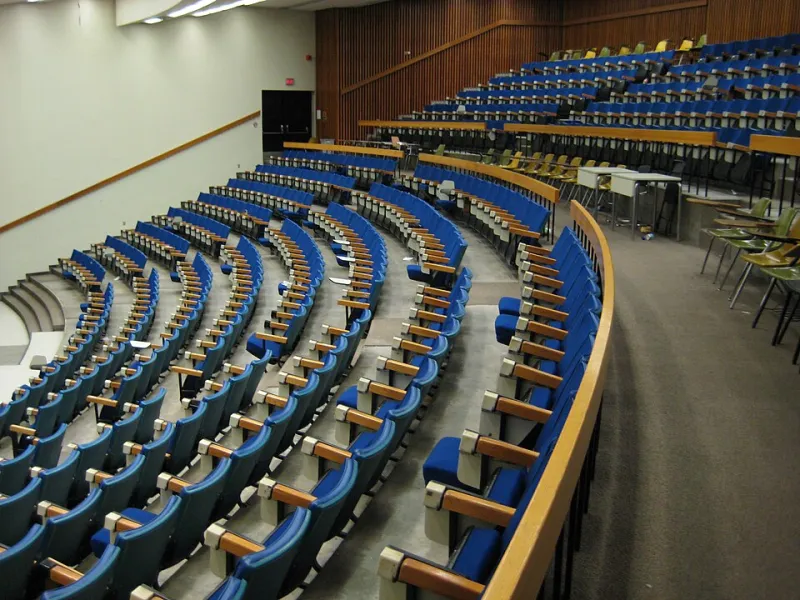
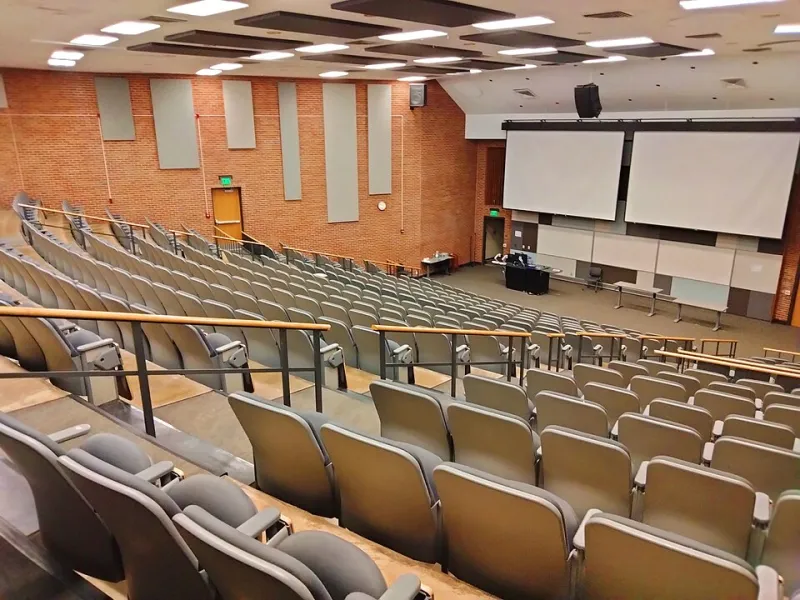
Photo: elderly professor teaching classroom university older adjunct instructor, via thumbs.dreamstime.com
The professor grading papers in the corner of the coffee shop near campus is, increasingly, someone old enough to have collected Social Security for years. Across the United States, contingent faculty who built careers on semester-to-semester contracts are reaching their late sixties and seventies with no pensions, no employer contributions, and no institutional obligation binding anyone to them. Higher education has known this reckoning was coming for decades. It has largely chosen to look elsewhere.
The Arithmetic of a Five-Course Load
Consider the standard economics of the per-course contract. A single section at a typical public university pays between $3,000 and $6,000. To assemble anything resembling a living wage, an instructor must stitch together four, five, sometimes six courses across two or three institutions, often with a commute between them. The arrangement leaves no room for the one thing a retirement plan requires: surplus.
Federal law compounds the problem. Part-time instructors frequently fail the eligibility thresholds for employer-sponsored retirement plans, and many of the plans they do qualify for carry waiting periods or match structures that per-course workers can never trigger. TIAA accounts opened decades ago sit dormant, too small to matter, sometimes too small to access without penalty. Social Security, calculated on chronically depressed and sporadic earnings, produces monthly checks that in many metropolitan areas do not cover rent, let alone the medical costs that arrive with age.
The result is a workforce that cannot afford to stop working, holding jobs that were never designed to sustain anyone long-term.
The Demographic Time Bomb Administrators Inherited — and Ignored
The shift from tenure-line to contingent labor accelerated through the 1990s and 2000s, driven by state disinvestment and the flexibility that per-course hiring offered budget offices. Administrators at the time understood the trade: savings now, obligations never. What few grappled with was the tail risk. The graduate students and adjuncts hired cheaply in 1995 are now in their late fifties and sixties, and the institutions that employed them seasonally for thirty years carry no accrued liability for their retirement because, contractually, they never had to.
This is not an accounting problem the universities can be forced to solve. It is a moral one they have quietly hoped would dissolve. The assumption, rarely stated in board meetings but widely understood, was that aging contingent faculty would either land tenure late, leave the profession, or die in harness. Attrition as policy.
Portraits From the Margin
The emerging literature on the aging adjunct is sparse but consistent. Sociologists studying the contingent workforce describe instructors in their seventies teaching night sections at community colleges because Medicare premiums require the income. State chapters of the American Association of University Professors report calls from members asking whether anything — anything at all — exists for them at retirement. The answer is usually no.
There are exceptions worth noting. A handful of institutions, under union pressure, have extended retirement plan eligibility to per-course workers after a threshold of semesters taught. Some states have explored portable benefit schemes for contingent workers generally. But these remain pilots at the edges of a system that employs, by most estimates, more than a million contingent instructors.
What Reform Would Actually Require
Genuine solutions are unglamorous and expensive. Mandatory employer contributions to portable retirement accounts, prorated across multiple institutions, would require coordination that universities have shown little appetite for. Reclassifying long-term contingent faculty as benefits-eligible employees would strike directly at the cost structure that made contingent hiring attractive in the first place. Retraining obligations and phased exits for career adjuncts would cost money that no provost has budgeted.
The likelier outcome, absent intervention, is grim and predictable: a growing population of elderly instructors teaching overloaded schedules into their eighth decade, dependent on food banks and spousal insurance, invisible in the institutional memory of the campuses they served. Some will age out of the classroom and into poverty quietly, one semester at a time.
Higher education has spent thirty years perfecting the art of the unfunded obligation. The aging contingent workforce may be the largest one of all — not because it will appear on any balance sheet, but because it will not. It will simply show up, semester after semester, in the person at the front of the room who cannot afford to leave.