Landlord U.: The Buying Spree That Swallowed America's College Towns

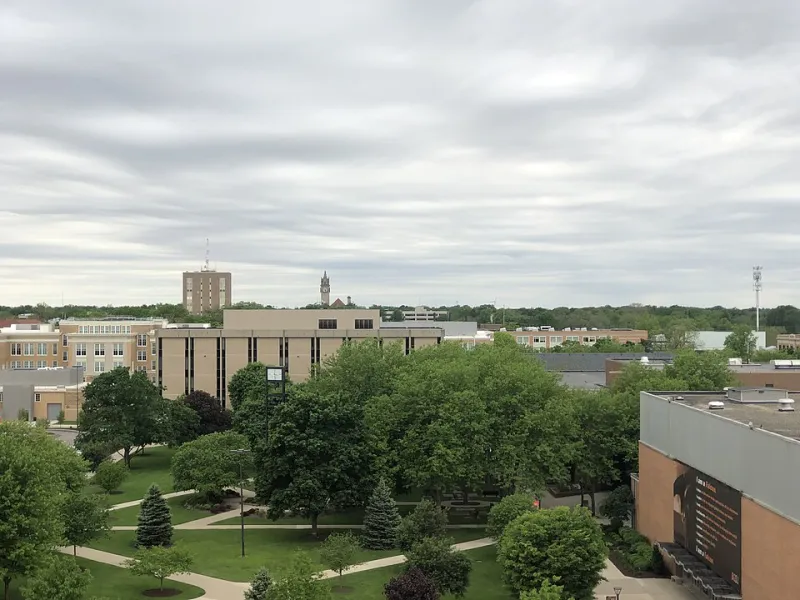
Photo: Mr. Metin Canbalaban, CC BY-SA 3.0, via Wikimedia Commons
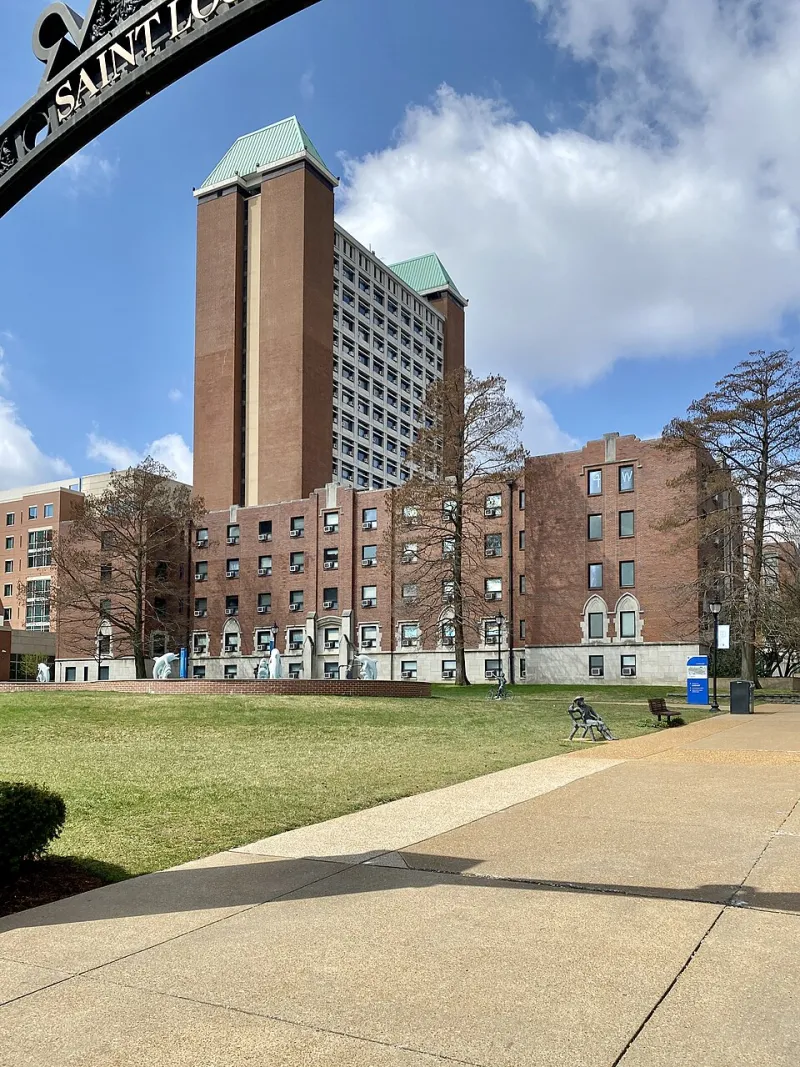
Drive the perimeter of nearly any major American campus and you will pass a familiar sequence: a coffee shop that recently changed hands, an apartment complex wrapped in construction fencing, and a sign announcing that the parcel behind it was acquired by a university real estate trust. What was once an edge — the informal boundary where campus ended and town began — has become a portfolio. The modern research university no longer merely occupies land. It accumulates it.
From the Quad to the Closing Table
The scale of the phenomenon is easy to underestimate because the transactions rarely make headlines. A medical center buys a strip mall for "future clinical expansion." A housing authority affiliate purchases a 400-unit complex to relieve pressure on student rentals. An endowment-backed foundation acquires a shuttered hotel and leases it back to the institution. Each purchase is defensible in isolation. Aggregated over two decades, they produce something without precedent: universities that rank among the largest landholders in their metropolitan areas.
The financial logic is straightforward. Endowment-held real estate is a hedge, a revenue stream, and a strategic reserve all at once. Property appreciates; dormitories and lab space do not. Trustees who might hesitate to expand enrollment have no such qualms about expanding acreage. And unlike a state legislature, no one audits whether the acquisition serves the academic mission.
The Exemption Question
What makes the buying spree possible — and increasingly controversial — is the tax structure beneath it. Nonprofit educational institutions enjoy exemptions on property they use for their missions, and many states extend generous treatment to land merely held by those institutions. The practical effect is that a university can outbid a private developer for a downtown parcel, remove it from the tax rolls, and wait. The municipality, meanwhile, loses the revenue while continuing to plow the streets, fund the fire department, and educate the children of the displaced tenants.
College towns have begun to push back. Officials in several mid-sized university cities have commissioned studies quantifying the value of exemptions on off-campus holdings, and a handful of legislatures have floated proposals to narrow the exemption to property in active educational use. Universities respond with payment-in-lieu-of-taxes agreements — voluntary contributions that sound magnanimous and usually amount to a fraction of foregone revenue. The PILOT, as it is known, has become the institutional equivalent of a tip jar.
Ann Arbor, Gainesville, and the Pattern in Between
The dynamics repeat with local variations. In Ann Arbor, the university's expansion has collided with one of the tightest housing markets in the Midwest, where institutional purchases of apartment stock remove units from a rental market already strained by enrollment growth. In Gainesville, the relationship between the flagship and the city has long been asymmetric; recent land consolidation has sharpened the question of who the downtown actually serves. Smaller college towns — the Ithacas, the Statesboros, the Lewistons — face a starker version of the same problem: when the university is the only buyer with deep pockets, every distressed property eventually finds its way to the same owner.
The displacement is rarely dramatic. It arrives as a lease non-renewal, a rent increase justified by "market conditions," a beloved record shop closing because its landlord preferred a guaranteed institutional buyer. Communities experience it as a slow change in who belongs.
Neighbor or Empire?
Universities defend their holdings with a genuine argument: they are anchor institutions, and anchor institutions that invest locally stabilize their communities. Some of this is true. Renovated property, expanded clinics, and graduate housing do produce benefits. But an anchor holds a ship in place; it does not acquire the harbor. The rhetoric of stewardship often conceals the arithmetic of accumulation.
There is a reform path, and it is not mysterious. Universities could cap tax-exempt holdings beyond campus, publish their real estate acquisitions, negotiate binding PILOT agreements with independent review, and commit to selling, not leasing, when they exit a property. A few institutions have adopted pieces of this. Most have not, because nothing forces them to.
The deeper question is one of self-definition. The university has always told itself a story about being a good neighbor — a civic institution embedded in, and indebted to, its place. Empires tell similar stories. The difference is whether the institution can look at a map of its town, count the parcels it owns, and ask honestly whether it is building a community or simply annexing one.