Breach of Promise: When Students Take Their Universities to Court

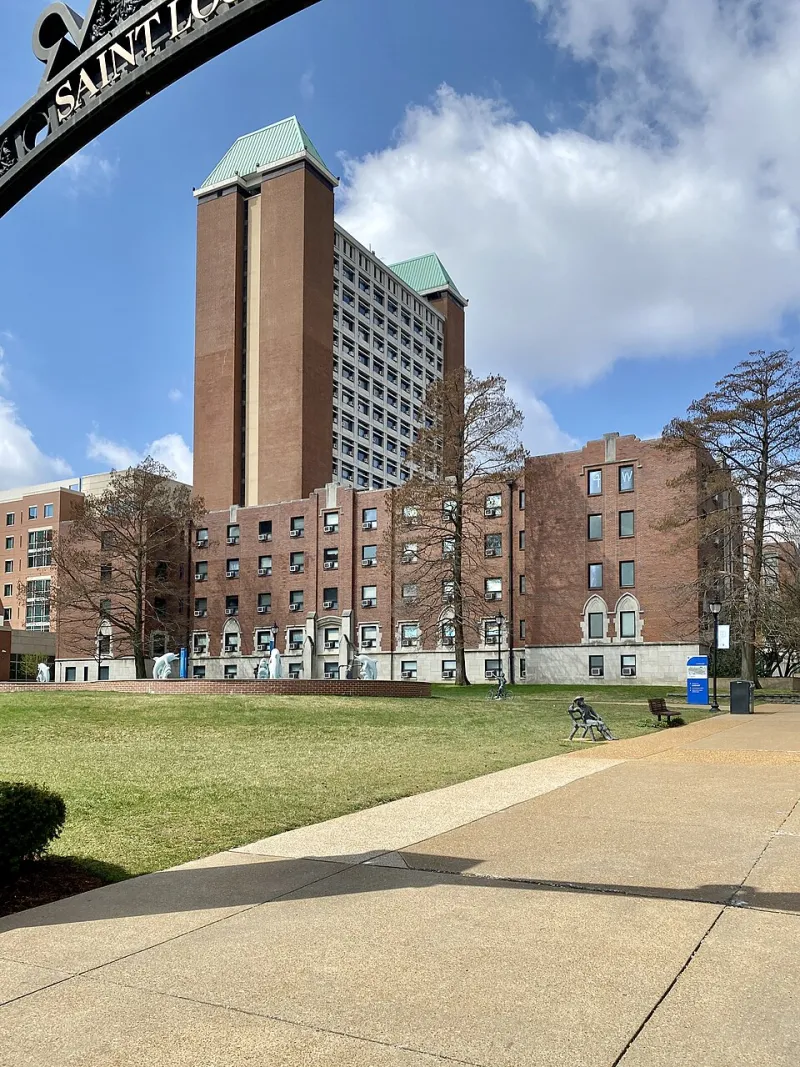
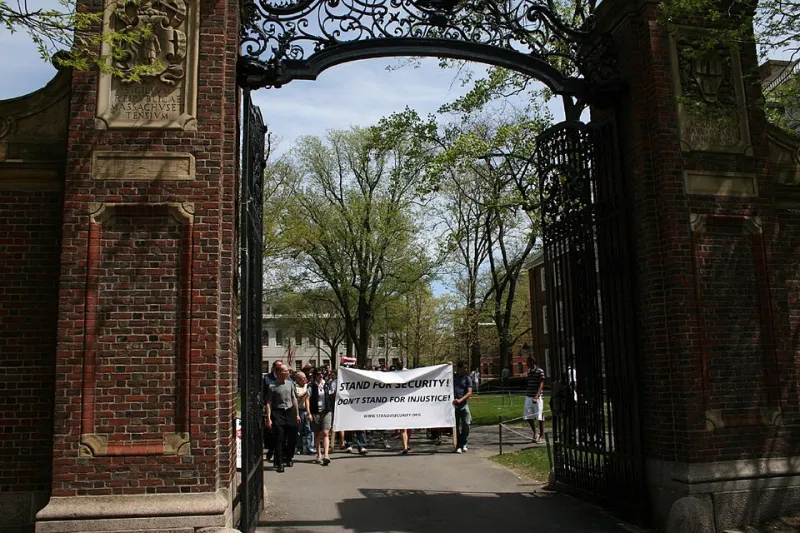
Photo: Mbrickn, CC BY-SA 4.0, via Wikimedia Commons
The lawsuits rarely make national headlines, but they accumulate with quiet persistence in federal and state dockets across the country. A class action in California alleging that a university charged in-person tuition for a diminished online product. A breach-of-contract claim in Massachusetts over a promised clinical placement that never materialized. A dispute in Ohio over a program shuttered mid-degree, leaving students with credits toward a credential that no longer exists.
Taken individually, these cases can be dismissed as the grievances of a litigious age. Read together, they amount to something more consequential: an attempt by students to hold universities to a bargain that neither party has ever fully put into writing.
The Unwritten Contract
American higher education has long operated on an implicit understanding. Students pay tuition; institutions deliver instruction, credentials, and access to opportunity. Nobody signs a document specifying what any of that means. The catalog and handbook, dense with disclaimers, are drafted precisely so that they do not constitute promises.
That ambiguity has historically favored the institutions. Courts have generally been reluctant to second-guess academic judgments, and universities have enjoyed broad latitude to change curricula, raise fees, and alter the terms of enrollment. But the pandemic-era shift to remote instruction cracked the door open. When campuses closed in 2020 and tuition checks kept clearing, students began asking, in legal terms, what they had actually purchased.
The early suits — many over partial tuition refunds for online learning — mostly failed. Judges noted that students received some educational benefit and that universities retained discretion over instructional methods. Yet the filings did not stop. If anything, they grew more sophisticated, moving beyond refund claims toward allegations of specific, identifiable promises: advertised job placement rates, guaranteed practicum placements, accreditation statuses that shifted after enrollment.
What the Plaintiffs Want Heard
Interviews with former students involved in these disputes reveal a set of grievances that go well beyond money. The most common refrain is not about dollars but about symmetry. Universities, the plaintiffs note, enforce their terms rigorously — payment deadlines, codes of conduct, intellectual property agreements. Students, they argue, are held to a contract that binds only one party.
One former student at a private university in the Northeast, who joined a class action after her graduate program eliminated a required practicum, put it plainly: the institution marketed a specific sequence of training, accepted her tuition on that basis, and then restructured the program without meaningful accommodation. Her complaint is not that the university acted maliciously, but that it faced no obligation to make her whole when its plans changed.
This is the heart of the matter. Institutions routinely describe enrollment as a partnership, yet the legal architecture treats it as something closer to a revocable license. Students who sue are, in effect, asking courts to read the marketing materials the way a reasonable consumer would — as representations rather than aspirations.
Product, Promise, or Neither
The cases raise a question that higher education has dodged for decades: is a degree a product? Universities bristle at the framing, and understandably so. Education is not a widget; its value depends on the effort of the learner, the passage of time, and forces no institution controls. Treating a degree like a consumer good invites a transactional logic that many faculty and administrators find corrosive.
But the refusal to define the product has its own costs. When institutions market outcomes — employment statistics, salary premiums, licensure pass rates — they invite the inference that these are commitments. When they charge fees for services that change form mid-purchase, they invite claims that the consideration was not delivered. The discomfort cuts both ways: universities want the persuasive power of promise without the liability of one.
Some institutions have begun to respond. A handful of private colleges have revised their catalogs to specify what happens if programs close, and a few public systems have adopted formal tuition-refund policies for service disruptions. These are modest reforms, but they acknowledge the underlying problem: in the absence of clear terms, disputes default to litigation.
What Reform Should Look Like
The better path is not to turn every syllabus into a binding instrument. It is to introduce a measure of candor into the enrollment relationship. State legislatures, which have shown increasing appetite for higher education oversight, could require plain-language disclosure of refund policies, program-change procedures, and the status of advertised outcome data. Accrediting bodies, which already scrutinize consumer information, could make enforceable refund standards a condition of recognition.
Universities, for their part, would do well to treat these lawsuits not as nuisances but as feedback. Plaintiffs are, in a rough sense, performing an audit the sector has declined to perform on itself. Their claims identify precisely where the implicit contract frays: at moments of institutional change, financial stress, and marketing enthusiasm.
The academy has always preferred to describe its relationship with students in the language of formation rather than transaction. That preference is defensible — but it cannot be a shield. An institution that accepts tuition on the strength of its promises must accept that those promises mean something. The students in these courtrooms are not asking universities to become businesses. They are asking them to become what they already claim to be.